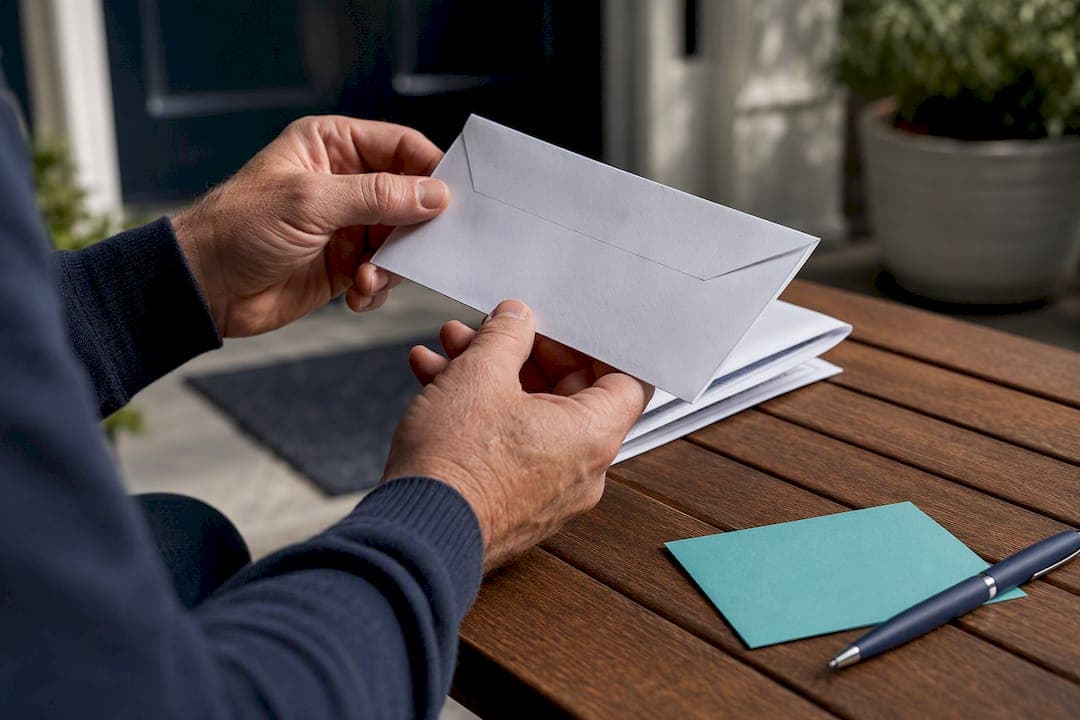
Treat unsolicited census contact as suspicious until you independently verify it through official Census Bureau channels. If someone contacts you claiming to represent the Census, stop before responding, verify their identity using the Census Bureau Staff Search database or your regional office, and never share sensitive details. Forward anything suspicious to ois.fraud.reporting@census.gov. The Census will never ask for your Social Security number, bank information, or money.
TL;DR:
- The Census Bureau will never request your Social Security number, bank details, or any money during legitimate contact; scammers often ask for these or create a false sense of urgency.
- Verify any official-looking mail by checking the return address, confirming the mailing sequence, and calling your regional Census office directly before responding or sharing sensitive information.
- Do not click links or open attachments in suspicious emails or texts; forward them to ois.fraud.reporting@census.gov and delete the message without interacting.
- Caller ID is unreliable because scammers can spoof legitimate numbers, so always hang up and call your regional office directly if contacted unexpectedly.
- Always ask for official ID if someone visits your home and verify their identity online before sharing any household information or allowing them inside.
Table of Contents
- Common Census Scam Tactics and What They Look Like
- Verifying a Census Mailing Before You Respond
- Checking Emails and Texts Without Clicking Anything
- Verifying Phone Calls and Spotting Caller ID Spoofing
- Spotting a Fake Field Representative at Your Door
- What the Census Will Never Ask You For
- How to Report a Suspected Census Scam
- Building Household Habits That Stop Scams Before They Start
- Who's Behind This Guide
- Sources
- FAQ
Common Census Scam Tactics and What They Look Like
Scammers borrow the Census Bureau's name because it carries built-in trust, then twist that trust into pressure. Once you know the patterns, they get much easier to spot.
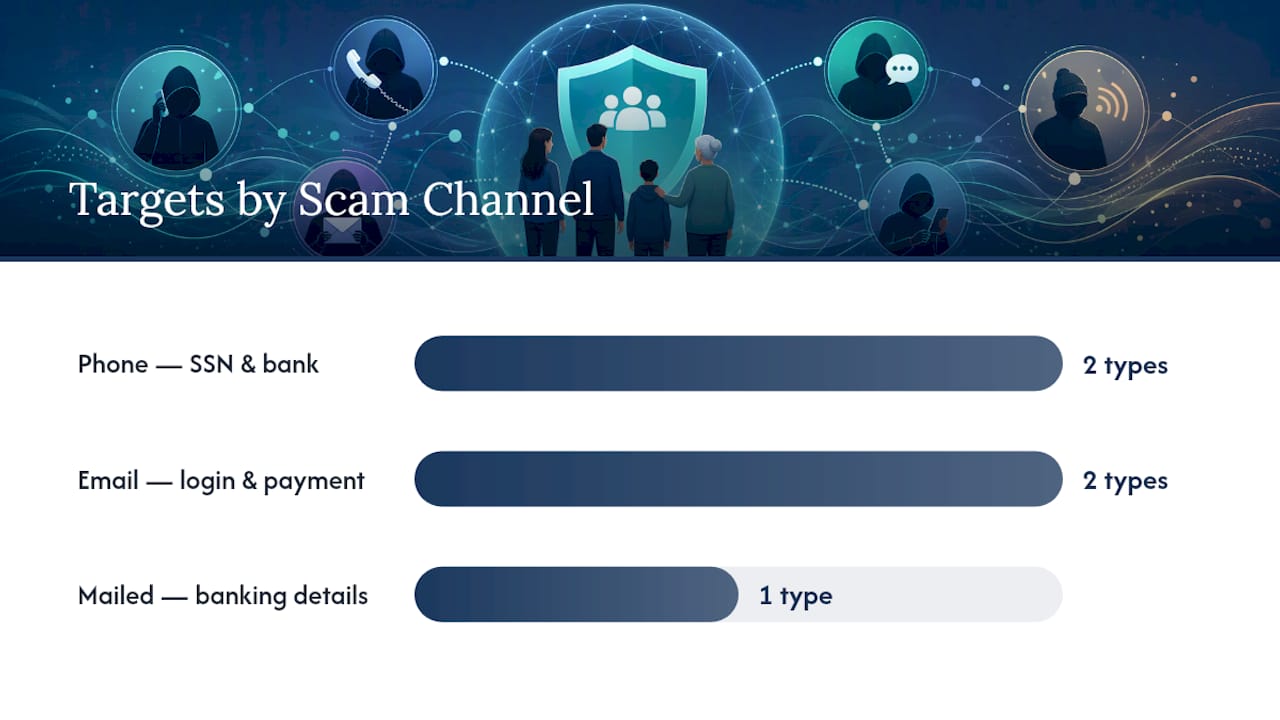
Phone scams usually lean on urgency. A caller claims you'll face fines or jail time if you don't answer "verification questions" immediately, then asks for your Social Security number or bank details. Real Census representatives never threaten legal action over the phone to extract personal financial data.
Phishing emails mimic official Census formatting almost perfectly, right down to the seal and color scheme. They link to fake websites that harvest login credentials or payment information. Some arrive disguised as "your 2026 survey response is incomplete" alerts, designed to make you panic and click without thinking.
Mailed scams work differently. Fraudsters send fake questionnaires with forged return addresses, sometimes asking for banking details the real Census never requests on paper forms.
In-person imposters show up at your door claiming to need "updated household information" or offering fake temporary Census jobs that require an upfront fee for training materials or supplies. That fee request alone is a giveaway.
Red flags to watch for:
- Requests for your Social Security number, bank account, or credit card numbers
- Threats of arrest, fines, or legal consequences for not responding
- Urgent deadlines paired with pressure to act "right now"
- Links to websites that don't end in .gov
- Requests for money, donations, or payment for a Census job
Verifying a Census Mailing Before You Respond
Physical mail feels more trustworthy than a phone call or email, but forged return addresses are common enough that you shouldn't rely on the envelope alone. Legitimate Census mail typically comes from Jeffersonville, Indiana, home to the National Processing Center. However, scammers can print that same address on a fake mailer.
- Check the return address and letterhead, then treat both as a starting point, not proof.
- Confirm the sequence matches how the Bureau typically operates: an initial invitation with an online response option, a reminder letter, and only later a paper questionnaire for nonresponders.
- Call your Census regional office or the National Processing Center directly to confirm the mailing is real, especially if you weren't expecting it.
- Hold off on returning any form, especially one requesting financial details, until you've confirmed it independently.
If you're receiving survey mail outside a decennial count year, it's often part of an ongoing program like the American Community Survey, which follows the same letter first, reminder later pattern. That timing alone isn't suspicious, but the request inside the envelope still needs to pass the usual checks.
Checking Emails and Texts Without Clicking Anything
Your safest move with a suspicious Census email or text is to do nothing with it directly. Don't click links, don't open attachments, and don't reply. Instead, forward the message to ois.fraud.reporting@census.gov and delete it once you've done that.
A few things worth knowing before you decide a message is legitimate:
- The Bureau typically does not send unsolicited emails for the decennial census itself.
- If you're being surveyed for something specific, like the American Community Survey, check the Bureau's list of current surveys to see if it matches.
- Legitimate links always resolve to a .gov domain, never a lookalike variation with extra words or a different extension.
- Hovering over a link (without clicking) shows you the actual destination URL in most browsers and email clients.
Pro Tip: If you want to check a link without any risk, copy the URL text (don't click it), open a new browser tab, and paste it in manually after confirming the domain ends in .gov. A guide on checking whether a link is safe walks through this same process for other scam types too.
Verifying Phone Calls and Spotting Caller ID Spoofing
Caller ID means almost nothing when it comes to scam protection. Fraudsters can spoof legitimate-looking numbers, including 844-809-7717, a number the Bureau's own follow-up calls sometimes use. Seeing a familiar number pop up doesn't confirm who's actually on the line.
If a caller asks for your Social Security number, bank details, or a payment, or threatens fines and jail for not responding, that's your signal to disengage. Here's what a safe response looks like in practice:
- Say, "I'm going to hang up and call the Census Bureau directly to confirm this," then actually do it.
- Look up your regional office or the National Processing Center number independently, don't call back the number that just called you.
- Never give out personal or financial information during the original call, no matter how official it sounds.
- Report the call once you've confirmed it wasn't legitimate.
Pressure and urgency are the tell. Genuine Census staff work through a defined process and won't push you to decide in the next sixty seconds.
Spotting a Fake Field Representative at Your Door
An in-person visit from a real Census representative should be easy to confirm on the spot, because the Bureau builds verification tools directly into the interaction.
- Ask to see their photo ID badge. It should carry a Department of Commerce watermark and a printed expiration date.
- Ask for their supervisor's name and contact information, then check the employee's name against the Census Bureau Staff Search database.
- Look for an official introductory letter signed by the Census Director, along with Bureau branded bags or equipment. If anything feels off, call the regional office while the person is still there.
- If the visitor won't provide ID, seems evasive, or something just feels wrong, don't let them inside. Call your local police department and the regional office instead.
Staff Search will show you business contact details for real employees, not personal cell numbers, so don't treat a personal number as proof of anything.
What the Census Will Never Ask You For
A handful of clear rules cut through most of the confusion around census fraud alerts. The Census Bureau states plainly that it will never ask for:
- Your full Social Security number
- Full bank account or credit card numbers
- Money, donations, or payment of any kind
- Passwords to any account
- Information about which political party you support
Threats of fines or jail time for not responding are a scam tactic, not a real enforcement action. The FTC notes that fear and urgency are the core tools imposters rely on. If a request touches any item on that list, stop and verify through Staff Search, your regional office, or an official .gov page before doing anything else.
How to Report a Suspected Census Scam
Reporting takes a few minutes and genuinely helps investigators shut down active scam campaigns faster. Save what you can before you report it: screenshots of emails or texts, the caller ID number and time of the call, the physical mail piece, and the date of any in-person visit.
Where to send it:
- Forward phishing emails or suspicious websites to ois.fraud.reporting@census.gov.
- Call 844-330-2020 for direct assistance from the Census Bureau.
- File a complaint with the FTC at reportfraud.ftc.gov or with the FCC for phone-based scams.
- Contact your local police department for in-person imposters, especially if you felt threatened.
Detailed reports with real evidence are far more actionable for investigators than a vague description after the fact.
Building Household Habits That Stop Scams Before They Start
The most effective defense isn't a tool, it's a habit: stop, verify, protect. Teach it to everyone in your household, especially older relatives who are frequent targets for imposter scams.
- Keep a printed list of your regional Census office number and the National Processing Center line near the phone.
- Agree on a household rule: always ask for ID, and never respond to financial requests on the spot.
- Call a family member or caregiver before responding to anything that feels off, especially for seniors living alone.
- Bookmark a quick scam warning-sign checklist so anyone in the house can triage a suspicious contact in under five minutes.
Pro Tip: Record the date, time, and details of any suspicious contact immediately, even before you decide whether it's a scam. Memory fades fast, and that record becomes useful if you need to report it later.
Who's Behind This Guide
This guide was written by Winston, part of a team behind a free newsletter built to help everyday people recognize scams before they cause damage, sending one to two concise emails a week covering real-time scams, from romance fraud to tech support schemes to elder fraud, written in plain language for readers at any technical level. If you've received something you're not sure about, you can ask Scruteon for free advice on whether it's legitimate.
Ready to get a free scam alert delivered to your inbox before the next one reaches you? Scruteon's newsletter breaks down active scam patterns twice a week, including census fraud alerts, so you can recognize the next one on sight. If you're building broader safety education for your community, resources like Semester Flow's security guidance offer additional context worth pairing with scam alerts.
Sources
FAQ
How Can I Tell if a Census Survey Is Legitimate?
Check the sender against the Census Bureau Staff Search database, confirm any mailing came through the standard invitation and reminder sequence, and call your regional office directly if anything feels off. Legitimate contact never demands your Social Security number, bank details, or payment.
Why Am I Getting Census Mail in 2026?
Outside decennial count years, the Bureau still runs ongoing programs like the American Community Survey, which follows the same letter first, reminder later, then paper form pattern. Getting mail in a non-count year isn't unusual on its own, but verify it through your regional office before responding.
What Happens if I Don't Fill Out a Census Survey?
Nonresponse doesn't trigger the immediate fines or jail time scammers threaten over the phone. Those threats are a scam tactic the FTC has flagged directly, not a real enforcement action carried out this way.
Do I Have to Answer the Census?
Participation in the Census is required by federal law, but no legitimate representative will threaten you with immediate arrest or fines during a call or visit to get you to comply. If someone does, treat that as a red flag and verify their identity before saying anything more.
What Should I Do if I Already Gave a Scammer My Information?
Report it immediately to ois.fraud.reporting@census.gov and file a complaint with the FTC. If you shared financial details, contact your bank right away, and review Scruteon's guide on identity theft prevention for next steps.
Recommended
- Spot Scam Warning Signs in 5 Minutes, Verify and Report (U.S.)
- Prevent Identity Theft: 3 Actions That Block Most Takeovers
- Advance Fee Scam: How to Spot It and Stop It Cold
- Catfishing Scams: How to Spot Them and Respond Fast
The information in this AI-assisted-generated article is for educational purposes. Scam tactics change fast, and we cannot guarantee that this information is always complete or up to date.
By reading this article, you agree that Scruteon is not responsible for any financial losses, fraud, or damages that occur if you rely on this content. This is not professional financial or legal advice. If you suspect you are a victim of a scam, please contact your bank or local law enforcement immediately.